Profile
- Name:
Mehul Khoont
- Professional background:
Architect turned sustainability expert; Master of Science in REAP (Resource Efficiency in Architecture and Planning) from HafenCity University Hamburg, Germany
- Business idea:
AI-driven platform simplifying carbon credit certification for smallholder famers
- Company name:
Minus
- Website:
- Business site:
India
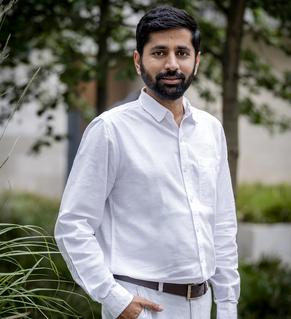
Carbon markets reward landowners for reducing greenhouse gas emissions, and smallholder farmers are a vital part of this system. Yet the carbon credit process can be complex and costly for them, particularly due to verification requirements with external agencies. Mehul Khoont’s start-up, Minus, is changing that. Using an AI-based tool and monitoring system, Minus simplifies verification, making carbon markets more accessible and enabling more people to benefit.
Mehul’s journey started as an architect in India, but his studies in Germany led him toward sustainability. “When I was working as an architect in India, I saw a huge demand for sustainable solutions,” he recalls. Mehul decided to shift careers and start a company, which also brought its challenges: “Financing a business is never simple,” says Mehul. “But with the right network, public support and grant programmes, you can overcome the barriers, gain confidence in your business model and grow from there.”
Sustainability alone is not enough; it must also make economic sense. Only then can people accept it, scale it and turn good intentions into real impact.Today, the company runs pilot projects covering 1,000 acres of farmland and forest in western and eastern India, involving around 50 participants. These include organic farmers, forest owners and fruit growers. GIZ’s Business Ideas for Development (BID) initiative played an important role in his entrepreneurial path. “Programmes like the BID give entrepreneurs a chance to test their ideas, build confidence and represent their country through meaningful work,” he shares.”
Through Minus, Mehul is building a bridge between technology and climate responsibility and thereby creating opportunities for smallholder farmers to take part in the global fight against climate change.
Further information on the offers available to the Indian diaspora can be found below.